


After a lifetime of not being able to afford to travel, Gail Frances Gardner keeps her suitcase packed and ready by the door.
“I’m making it my business to go on as many cruises as I can,” she says with a laugh. “Between now and my 80th birthday, I want to see the Wonders of the World.”
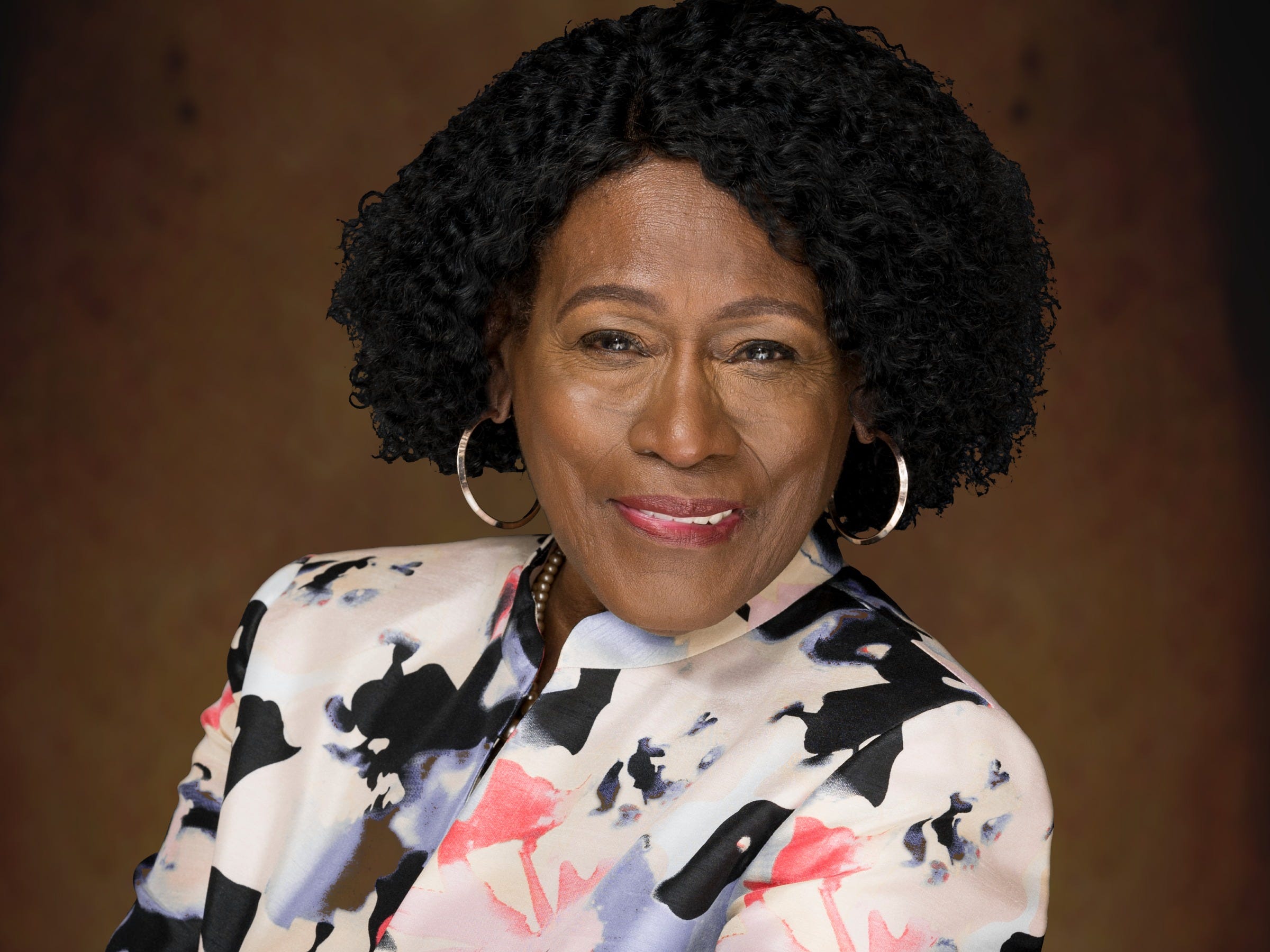
Last August, Gail sailed through the Caribbean on a cruise ship with her friends. She even once stood at the Cape of Good Hope in South Africa, watched the waters meet, and felt awe wash over her.
“I started telling myself I was too old when I was 50,” she says. “I’m 79 this year, and I’m just getting started.”
From a GED to two Masters Degrees
Gail’s life has been shaped by a deep desire for both knowledge and justice. Born and raised in the South Bronx, she later spent 46 years in Central Florida. Education was emphasized in her family across generations, even when they were systematically barred from accessing it.
Gail’s grandmother attended a “Normal School” in Florida. These institutions were established during the Reconstruction Era to train Black teachers. Normal Schools taught reading, writing, and practical skills to community members. Without these schools, many Black adults would have remained illiterate, making it impossible for them to vote and limiting their employment prospects. Unequal access to education based on race is a stain on American history that remains unaddressed, and has instead reemerged under the second Trump Administration.
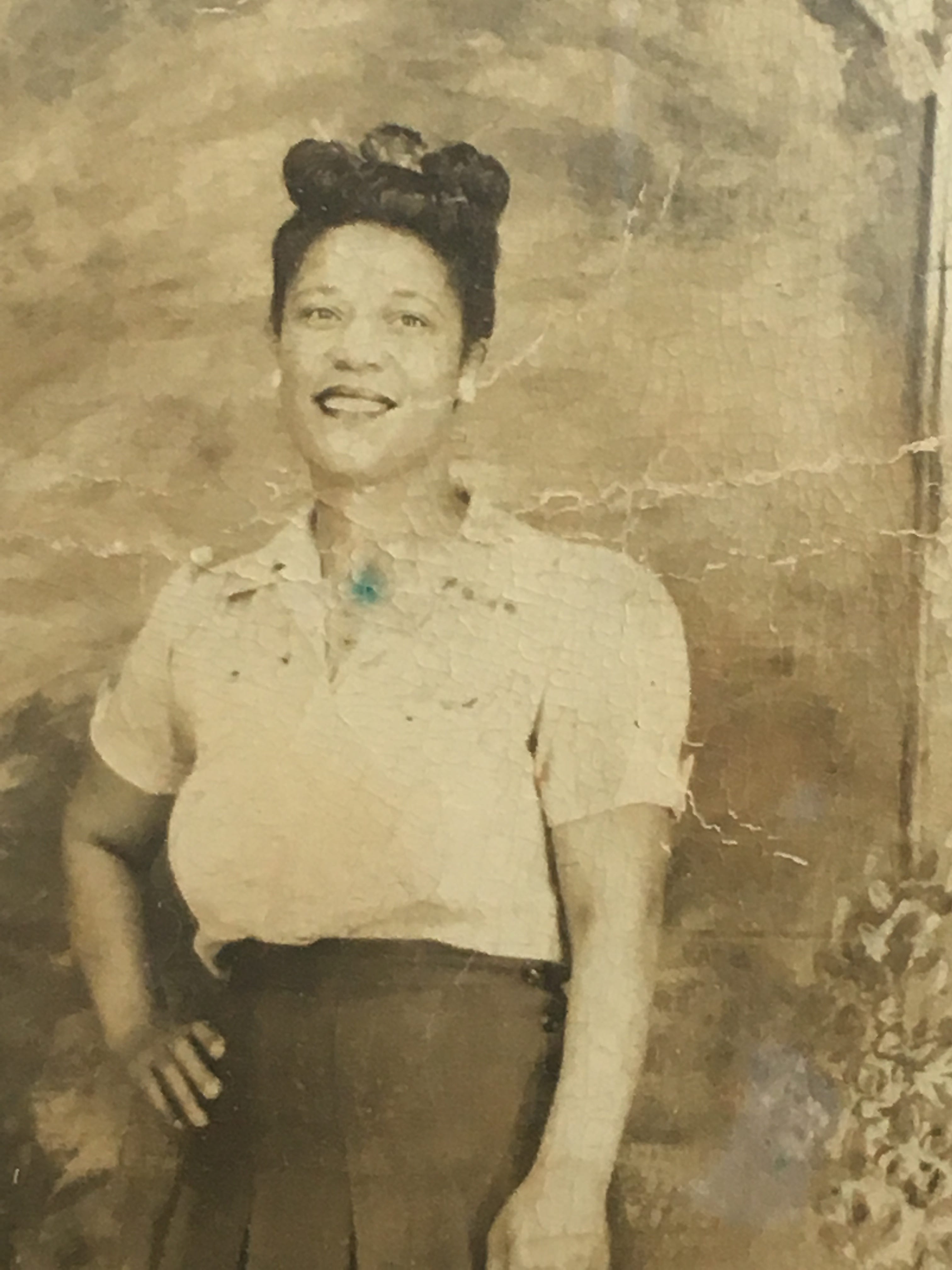
Gail’s mother was a domestic worker. As a child, she watched her mop floors, do laundry, dust, and wash dishes in other people’s houses — and then repeat this grueling labor at home. Gail once told her mother she wanted to clean houses like the women in her family had done for generations.
Her mother slapped her.
“She just wanted more for me,” Gail reflects with forgiveness. “But no one ever told me what I could be. So I had to find it.”
Gail’s own path to education wasn’t linear. She dropped out of high school but returned twice after becoming pregnant. Eventually, she earned her GED. That credential, often underestimated, became her gateway to higher education.
“Mine took me all the way to where I am today,” she says.
It took 20 years — while raising children as a single mother — but Gail eventually earned her bachelor’s degree, a master’s degree, and an additional master’s degree in pastoral counseling. Today, she’s pursuing admission into a PhD program at a historically Black college, something she considers a personal bucket-list milestone.
“Every time I made an accomplishment, it took me to another level in being able to see myself as doing better,” she says.
“Learn to Advocate for Yourself”
Writing has always been a therapeutic outlet for Gail, a way to tell her story, to name grief as well as joy, and to claim her own healing. She keeps yellow pads and journals throughout her home. For her, putting pen to paper is a way of keeping language alive.
“I read everything that isn’t nailed down,” she says. “And I write all the time.”
Today, as she navigates memory loss, writing remains an essential practice.
“If I’m speaking, sometimes I have to stop and search for a word,” she explains. “But when I write it out on paper, it flows.”
Writing her memoir has helped Gail document trauma and accept healing as a lifelong journey.
In addition to being a mother, grandmother, great-grandmother, and activist, Gail is also a survivor of sexual violence, an experience that changed the trajectory of her life.
In 2022, Gail was awarded the National Crime Victims’ Service Award. Her name is even attached to legislation, “Gail’s Law,” which requires adequate, timely processing of rape kits in Florida.
Gail’s guiding principle is simple: “Learn to advocate for yourself.” Not everyone will stand at a podium or draft legislation, she says. But everyone can learn to tell their story, to speak up when something is wrong.
“If you don’t let someone know there’s a problem, they can’t help you,” she explains. “Follow through.” Your story starts with a word, a sentence, a paragraph. Keep going. The first step is acknowledging what’s wrong and having empathy for oneself.
The Burden of Debt and the Freedom Beyond It
Black women are uniquely positioned to understand how interlocking systems of oppression based on race, gender, age, disability, sexuality and class endanger and diminish one’s ability to imagine and build a viable future.
In the mini documentary directed by Eric Stoll and Astra Taylor, “Freedom Dreams: Black Women and the Student Debt Crisis,” former Ohio State Senator, Nina Turner, narrates that a lack of intergenerational wealth, which is compounded by systemic inequities, forces Black women to borrow at disproportionate rates. Then, wage discrimination makes repayment even harder. For every dollar white men earn, Black women earn just 61 cents — a gap that amounts to nearly $1 million in lost wages over a lifetime. And as the student debt crisis worsens under the Trump administration, Black women are facing job losses at more than three times the rate of all women across 2025’s job cuts.
In “Freedom Dreams,” Dr. Shamell Bell and Dr. Richelle Brooks — educators, mothers, and Debt Collective organizers — share their visions for debt abolition; collectively they’re burdened by upwards of half a million dollars in student debt for pursuing higher education their very ancestors were denied.
“A system where Black women do not have to be subjected to crushing debt is a system that would benefit everyone,” says Dr. Shamell Bell.
“I didn’t realize how heavy it was until it lifted”
Gail has a similar story. She once carried more than $500,000 in debt. Despite all of her advocacy work and many accomplishments, Gail was one of the growing number of older debtors who struggle to pay off their student loans.
She applied for every available relief program, including IDR, PSLF, and more. She organized with people from her church and became an active member of the Debt Collective, even traveling to Washington, D.C. in 2024 to demand the Biden Administration cancel debts for older borrowers in the last weeks of his administration. She feared that she would never be unburdened.
Then one day, she received an email from the Department of Education. After decades of making unnecessary payments, waiting on hold, and being anxious about her ballooning balance, Gail’s debt was finally discharged. She could now enjoy her golden years in peace.
“I didn’t realize how heavy it was until it lifted,” she says. “It felt like the world opened up.”
Now, freed from student debt, Gail is thinking inter-generationally.
“We never got 40 acres and a mule,” she says. “So if we get relief, we have to be wise with it.”
Gail now spends her time investing in the education of future generations. She recently donated to help college students buy textbooks to pursue social science and law degrees.
“If we didn’t have debt accumulating interest, people could invest in the next generation,” she says. Gail believes freedom from student debt could transform communities across the country, especially Black communities.
“Pay it forward,” she says.
“Advocate—so the next generation may not have to pay for college at all.”

This article was written by Maddy Clifford. Original interview was edited for length and clarity. Learn more about Gail’s advocacy work: stillthekingsdaughter.com
To learn more about Black history, RSVP: Black Anti-Fascism: Lessons from the Past for the Current Moment & Beyond, Feb. 27, 2026 - 1 - 2PM est, 4 - 5pst
Facilitated by Debt Collective Visionary Escalator Dr. Shamell Bell and co-sponsored by the Coalition for Action in Higher Education, this event brings together leading scholar-activists Charisse Burden-Stelly and Jeanelle K. Hope in conversation.
Learn why we must draw on the Black Anti-Fascist Tradition in this moment. From Ida B. Wells to Angela Davis, W.E.B. Du Bois, and the Black Panther Party, Africans in the diaspora offer vital insights into the links between anti-Blackness, fascism, authoritarianism, and state repression—and powerful lessons on how to organize against them.
beautiful way her story was told
This is so beautifully written. Thank you for sharing Gail’s and so many other Black Women’s, story. To be seen, to feel heard, oftentimes makes all the difference in the world ❤️