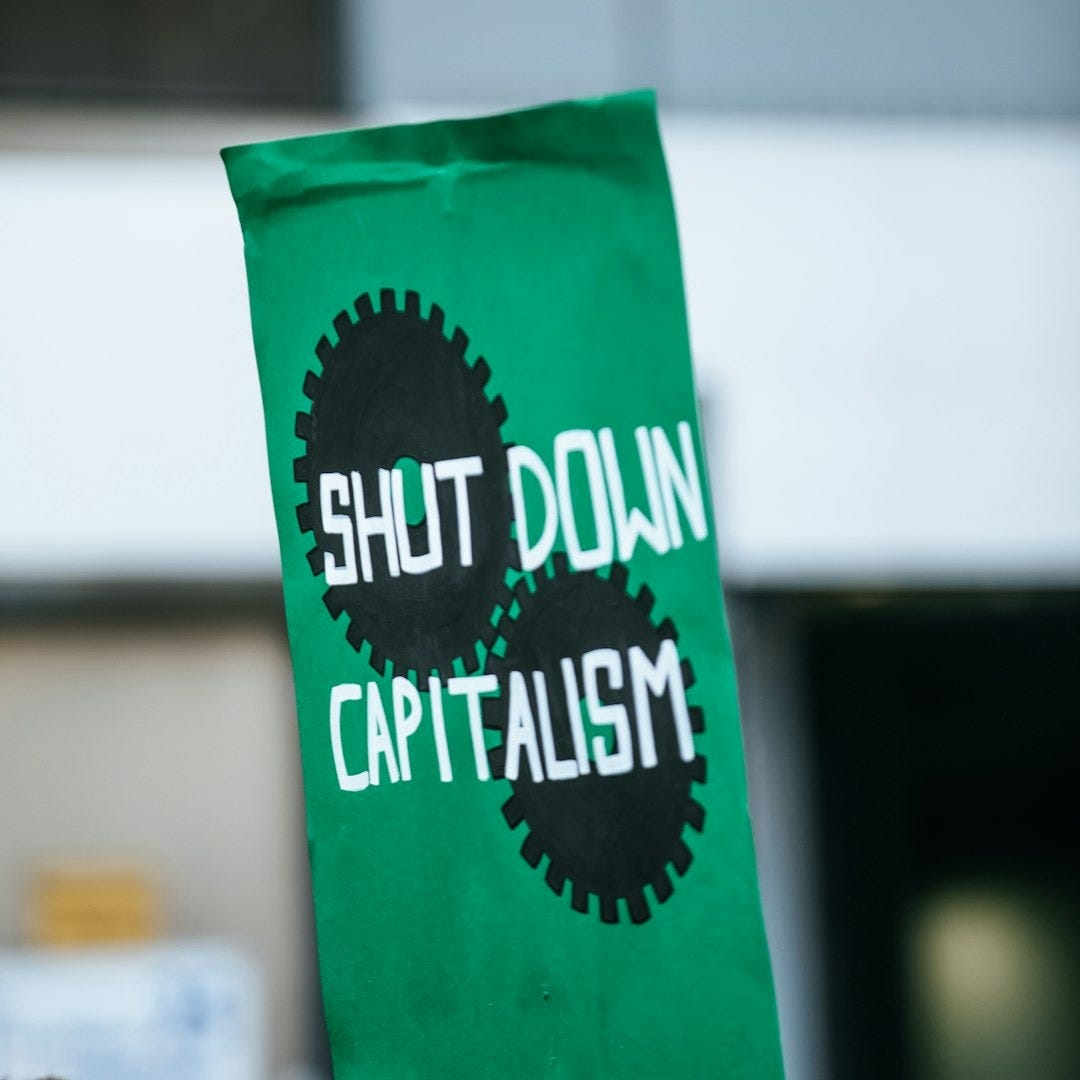
“The home is the center of life. It is a refuge from the grind of work, the pressure of school, and the menace of the streets. We say that at home, we can ‘be ourselves.’ Everywhere else, we are someone else. At home, we remove our masks.”
― Matthew Desmond, Evicted: Poverty and Profit in the American City
Earlier this week, New York Mayor Mamdani announced that his administration is focused on “the worst landlords in NYC” and prepared to transfer ownership of buildings suffering chronic neglect to “responsible stewards…even the tenants themselves.”
This is exactly what should happen to bad landlords across the country. When landlords neglect routine maintenance to cut costs, use opaque utilities billing systems to raise rents, and abuse tenants by charging junk fees, they should have their properties taken away. As long as landlords are driven by profit, housing will be treated as an investment to extract wealth from tenants rather than a public good that everyone needs to survive.
A housing system built around maximizing returns for shareholders will always put profits ahead of affordable homes for tenants. The same is true of healthcare systems that profit off of patients while exploiting healthcare workers, as well as education systems that force students and school districts into debt for the benefit of Wall Street billionaires.
We must organize as tenants and debtors to combat homelessness and eviction, hold predatory landlords accountable, and build a world where housing is for people, not profit. That’s why we’re building a union of debtors to fight for the reparative public goods that working people need to live and thrive. Read on to learn more about how we’re organizing debtors across higher education, healthcare, and housing, and more opportunities to plug in this coming month!


Higher Education
The federal government continues to turn a blind eye to the student debt crisis, forcing debtors to play defense at a time when we are facing more financial challenges than ever. Recently, the Senate voted to leave President Trump’s new PSLF policy in place, allowing his administration to take PSLF away from people who work at organizations that they disagree with. This vote took place without even calling upon individual Senators to put their positions on the record. This loss shows us how much work is still left to do.
Meanwhile, the Department of Education continues to email student loan debtors pushing them (well ahead of the legal deadline) to switch out of the SAVE repayment plan forbearance into more expensive plans. We continue to organize with debtors to challenge these changes in the courts, develop policy answers to this terrible decision (which comes as a result of the One Big Beautiful Bill Act) and help debtors find the signal through the noise.
Despite these setbacks, we are working to put forth an ambitious policy vision that looks into the future to ensure our right to learn. We are working on two big, ambitious goals: free college and student debt cancellation. We are doing this by learning together at our free popular education program Jubilee School, organizing and getting to know each other at our monthly meetings, sharing our debt stories with each other and the press, and hiring for a new Campaign Director (apply today if interested!).
Healthcare
It’s no secret that the US healthcare system is a disaster. The basic facts have been clear for a long time: healthcare in the US costs too much, we spend much more than similar countries for far worse health outcomes, and a majority of Americans are either living with medical debt or postponing care we need to avoid getting stuck with bills we can’t pay. Most of us know our commodified, profit-driven system is broken, but that’s not enough to get us out of this bind on its own. For that, we need to keep growing the organized power of everyday people fighting for a different vision of healthcare.
As the Trump administration continues its attacks on Medicaid and other lifesaving public programs with funding cuts, we’re organizing local events and campaigns that both respond to the immediate consequences of these attacks — the loss of health insurance for millions of people, the collapse of safety-net health clinics and rural hospitals, and the continuing explosion of medical debt — and build our collective power and capacity in the fight for a public, reparative, and truly universal healthcare system in which medical debt doesn’t exist. Want to get involved? Fill out this HealthWatch Interest Form to stay in the loop!

Housing
The Virgil Square Tenants Association is about to reach a major milestone — June 1st will mark a full year on RUBS Strike! RUBS, or Ratio Utility Billing Systems, is a method of utility billing that allows landlords to skirt responsibility for major repairs while raising tenants’ rent. It also greatly disincentivizes landlords and tenants from making energy or water-usage efficiencies in their buildings.
Our work on RUBS isn’t stopping at the building level. We are talking to tenants across Los Angeles and working actively to demand that the City of LA take action to ban the use of RUBS altogether. We’re closing out the month by bringing tenant leaders from tenants associations city-wide together this weekend to take stock of our work on RUBS and discuss next steps in our campaign to ban it!
Practices like RUBS will continue to crop up as long as landlord power greatly outweighs that of tenants, and the concentration of landlord power in ever fewer hands worsens this for all of us. This month, corporate consolidation took a major step backward (for tenants) as two REIT landlords, Equity Residential and AvalonBay, announced a merger that could create the largest landlord in the country overnight.
We are taking action to bring scrutiny to this merger. The Federal Trade Commission (FTC) is actively considering removing the exemption of REITs from pre-merger review. We have submitted comments demanding the FTC close the REIT (or real estate investment trust) merger loophole and protect tenants by holding corporate landlords accountable. Stay tuned for more updates from our tenant power campaign, and fill out the Landlord Reporting Tool to help us hold corporate landlords accountable!
Upcoming Events
Writing Your Debt Story Part II: A Short-form & Op-Ed Workshop
Part II Tuesday, June 9 7:30pm ET / 4:30pm PT
Author, educator, and Debt Collective fellow Kristin Collier will lead a two-part writing workshop focused on telling your debt story in short forms such as op-eds. The workshop will be loosely organized around the framework of seeing red: the unique, important ways in which debtors see the world, and the stories we must tell in order to build the world we deserve.
In part I, we discussed focus, structure, language, and research. In part II, we’ll use our initial ideas to craft pitches for outlets, receive feedback, and support each other through the publication process.
Final Friday Flow
Friday, May 29 8:30pm ET / 5:30pm PT
Friday, June 26 8:30pm ET / 5:30pm PT
Held on the last Friday of each month, these gatherings are designed to remind us that the path to debt abolition and collective liberation begins within. Through guided somatic and movement-based practices, we’ll transform exhaustion into power, fear into vision, and pain into purpose.
Movement Monday
Monday, June 1 8:30pm ET / 5:30pm PT
Held on the first Monday of each month, these gatherings invite us to pause, breathe, and reconnect with our bodies as a vital part of organizing for debt abolition and collective care. We’ll check in with ourselves and each other through accessible, grounding somatic practices that support nervous system regulation, accountability, and mutual support.
Higher Ed Monthly Meeting
Wednesday, June 3 7:30pm ET / 4:30pm PT
If you’re wondering what’s going on with your student loans or how to get involved with the Debt Collective’s higher education campaigns, come join us at our monthly office hours. We’ll cover topics including the latest updates on student loan policy, what to do if you’re on the SAVE plan or in default, and how to get involved with Debt Collective’s campaigns for free college and debt cancellation.
New Member Call
Wednesday, June 3 7pm ET / 4pm PT
Curious about the Debt Collective and how we’re organizing to abolish debt? Our New Member Call is a space to learn who we are, what we’re fighting for, and how you can plug in. Whether you’re brand new or have been following our work for a while, this call is a chance to get grounded, ask questions, and connect with others who are ready to challenge the debt system together.
College for All Jubilee School: Divesting the University from State Violence
Thursday, June 4th 8pm ET / 5pm PT
College should not only be free, it should be free-ing – but university investments profit from weapons manufacturers, private prisons, surveillance technology, and more. Join Debt Collective co-founder and UCLA professor Hannah Appel to learn about the University of California Move Your Money campaign and what it might take to begin the process of divesting higher education from state violence.
College for All Monthly Organizing Meeting
Monday, June 8 7pm ET / 4pm PT
We’re asking Representatives and Senators to co-sponsor the College for All Act. Please join us as we prepare for meetings with Representatives and their staff, plan our strategy, and fight together for our Right to Learn!
College for All Jubilee School: Funding Free College by Taxing the Rich
Thursday, June 18th 8pm ET / 5pm PT
Led by Massachusetts Teachers Association President Max Page, this session will explore the history of college costs and resources for making debt-free public college a reality by taxing the very wealthy.
Borrower Defense: The Landscape, Updates & Workshop
Tuesday, June 30 8pm ET / 5pm PT
Our Monthly Borrower Defense Calls are designed for borrowers navigating fraud, misconduct, and student loan injustice. Each call provides timely updates on the Borrower Defense landscape, current litigation, and policy developments alongside practical guidance on asserting your rights and filing claims.